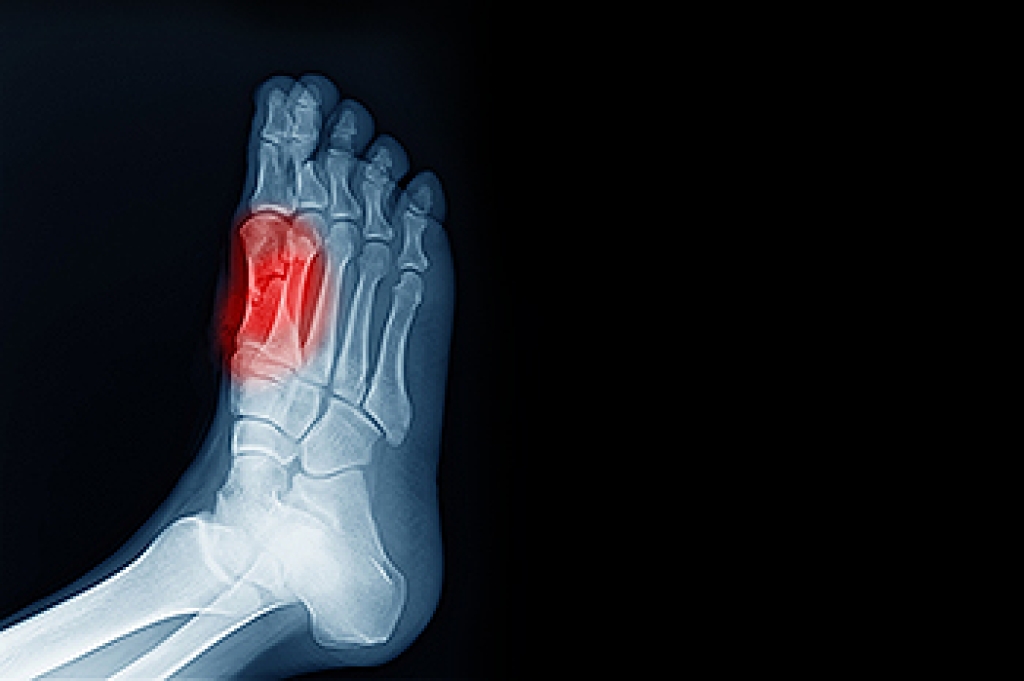
Formation of Corns on the Feet

Corns form when the skin thickens in response to repeated pressure or rubbing. This extra buildup of skin is the body’s way of protecting itself, but it can become painful. Corns usually develop on the top or sides of the toes, or on the bottom of the foot, where bones press against shoes. A hard corn has a small, firm center that pushes into the skin and causes discomfort when walking or standing. A soft corn often forms between the toes, where sweat keeps the skin moist and tender. Corns are smaller than calluses, which tend to cover wider areas and are often less painful. Tight shoes, toe deformities such as hammertoes, and changes in foot shape can all increase pressure and lead to corn formation. A podiatrist can safely remove thickened skin, evaluate foot structure, and treat the cause of ongoing pressure. If you have a painful corn on your foot, it is suggested that you make an appointment with a podiatrist for an exam, diagnosis, and safe treatment.

If you have any concerns regarding your feet and ankles, contact one of our providers of Advanced Foot & Ankle Care Centers. Our providers will treat your foot and ankle needs.

Corns: What Are They? and How Do You Get Rid of Them?
Corns can be described as areas of the skin that have thickened to the point of becoming painful or irritating. They are often layers and layers of the skin that have become dry and rough, and are normally smaller than calluses.

Ways to Prevent Corns
There are many ways to get rid of painful corns such as wearing:

  • Well-fitting socks
  • Comfortable shoes that are not tight around your foot
  • Shoes that offer support

Treating Corns
Treatment of corns involves removing the dead skin that has built up in the specific area of the foot. Consult with Our providers to determine the best treatment option for your case of corns.

If you have any questions, please feel free to contact our offices located in Nashville, Smyrna, Spring Hill, Columbia, Dickson, Fairview, Hohenwald, TN and Midtown, TN . We offer the newest diagnostic and treatment technologies for all your foot care needs.

Read more about Understanding Corns and Calluses

Reasons Your Pinky Toe Hurts

Pain in the pinky toe is common because it sits on the outer edge of the foot, where it frequently strikes objects and absorbs pressure from footwear and activity. Injuries like fractures, stress fractures, sprains, and dislocations can cause swelling, bruising, and difficulty bearing weight. Structural problems may also develop, including a tailor’s bunion, in which the fifth metatarsal shifts outward and forms a painful bump that rubs against shoes. Repeated friction can create corns and inflamed soft tissue, while certain toe deformities may place abnormal pressure on joints and nerves. A podiatrist can perform a physical examination and order the necessary imaging to determine the cause. This foot doctor can also realign injured structures, relieve pressure points, and provide medical treatment to restore proper function. If your pinky toe is in pain, it is suggested that you make an appointment with a podiatrist for an exam, diagnosis, and treatment.

Toe pain can disrupt your daily activities. If you have any concerns, contact one of our providers of Advanced Foot & Ankle Care Centers. Our providers can provide the care you need to keep you pain-free and on your feet.

What Causes Toe Pain?

Most severe toe pain is caused due to a sports injury, trauma from dropping something heavy on the toe, or bumping into something rigid. Other problems can develop over time for various reasons.

Toe pain can be caused by one or more ailments. The most common include:

  • Trauma
  • Sports injury
  • Wearing shoes that are too tight
  • Arthritis
  • Gout
  • Corns and calluses
  • Hammertoe
  • Bunions
  • Blisters
  • Ingrown toenails
  • Sprains
  • Fractures (broken bones)
  • Dislocations

When to See a Podiatrist

  • Severe pain
  • Persistent pain that lasts more than a week
  • Signs of infection
  • Continued swelling
  • Pain that prevents walking

Diagnosis

In many cases the cause of toe pain is obvious, but in others, a podiatrist may want to use more advanced methods to determine the problem. These can range from simple visual inspections and sensation tests to X-rays and MRI scans. Prior medical history, family medical history, and any recent physical traumatic events will all be taken into consideration for a proper diagnosis.

Treatment

Treatments for toe pain and injuries vary and may include shoe inserts, padding, taping, medicines, injections, and in some cases, surgery. If you believe that you have broken a toe, please see a podiatrist as soon as possible.

If you have any questions please contact our offices located in Nashville, Smyrna, Spring Hill, Columbia, Dickson, Fairview, Hohenwald, TN and Midtown, TN . We offer the newest diagnostic and treatment technologies for all your foot and ankle needs.


Read more about Toe Pain

Bursitis at the Back of the Heel

Bursitis of the heel occurs when a small fluid filled sac near the Achilles tendon becomes irritated, often from pressure, repetitive rubbing, or increased activity. This irritation can cause a deep ache at the back of the heel, along with swelling, warmth, or tenderness when wearing shoes with a stiff heel counter. Some people feel sharper pain when rising onto the toes or after long periods of standing. Rest and changes in footwear may ease the discomfort, but persistent symptoms often need more directed care. A podiatrist can examine the area to confirm the source of the pain, recommend supportive shoes or padding, and offer treatments that reduce inflammation. In some cases, imaging or targeted therapies may be used to calm the irritated tissue. If your heel pain continues to interfere with daily comfort, it is suggested that you see a podiatrist for effective relief and treatment solutions.

Many people suffer from bouts of heel pain. For more information, contact one of our providers of Advanced Foot & Ankle Care Centers. Our providers can provide the care you need to keep you pain-free and on your feet.

Causes of Heel Pain

Heel pain is often associated with plantar fasciitis. The plantar fascia is a band of tissues that extends along the bottom of the foot. A rip or tear in this ligament can cause inflammation of the tissue.

Achilles tendonitis is another cause of heel pain. Inflammation of the Achilles tendon will cause pain from fractures and muscle tearing. Lack of flexibility is also another symptom.

Heel spurs are another cause of pain. When the tissues of the plantar fascia undergo a great deal of stress, it can lead to ligament separation from the heel bone, causing heel spurs.

Why Might Heel Pain Occur?

  • Wearing ill-fitting shoes                
  • Wearing non-supportive shoes
  • Weight change           
  • Excessive running

Treatments

Heel pain should be treated as soon as possible for immediate results. Keeping your feet in a stress-free environment will help. If you suffer from Achilles tendonitis or plantar fasciitis, applying ice will reduce the swelling. Stretching before an exercise like running will help the muscles. Using all these tips will help make heel pain a condition of the past.

If you have any questions, please feel free to contact our offices located in Nashville, Smyrna, Spring Hill, Columbia, Dickson, Fairview, Hohenwald, TN and Midtown, TN . We offer the newest diagnostic and treatment technologies for all your foot care needs.

Read more about Heel Pain

How Diabetic Neuropathy Affects the Feet

Diabetic neuropathy, a nerve condition caused by high blood sugar, reduces sensation in the feet and toes. Nerves that normally detect pressure, temperature, and pain become less responsive, so people may not notice cuts, blisters, or changes in skin integrity. Symptoms of diabetic neuropathy include numbness, tingling, burning, sharp pains, and weakness, which can alter walking patterns and increase stress on bones and joints. Because warning signs are muted, minor injuries can progress into ulcers or infection if not identified early. A podiatrist helps by performing foot exams, testing sensation, monitoring circulation, and identifying pressure points or deformities that raise risk. Treatment plans are designed to protect tissue and reduce complications over time. For help with dealing with foot problems associated with diabetes, it is suggested that you make an appointment with a podiatrist for ongoing treatment.

Diabetic foot care is important in preventing foot ailments such as ulcers. If you are suffering from diabetes or have any other concerns about your feet, contact one of our providers from Advanced Foot & Ankle Care Centers. Our providers can provide the care you need to keep you pain-free and on your feet.

Diabetic Foot Care

Diabetes affects millions of people every year. The condition can damage blood vessels in many parts of the body, especially the feet. Because of this, taking care of your feet is essential if you have diabetes, and having a podiatrist help monitor your foot health is highly recommended.

The Importance of Caring for Your Feet

  • Routinely inspect your feet for bruises or sores.
  • Wear socks that fit your feet comfortably.
  • Wear comfortable shoes that provide adequate support.

Patients with diabetes should have their doctor monitor their blood levels, as blood sugar levels play such a huge role in diabetic care. Monitoring these levels on a regular basis is highly advised.

It is always best to inform your healthcare professional of any concerns you may have regarding your feet, especially for diabetic patients. Early treatment and routine foot examinations are keys to maintaining proper health, especially because severe complications can arise if proper treatment is not applied.

If you have any questions, please feel free to contact our offices located in Nashville, Smyrna, Spring Hill, Columbia, Dickson, Fairview, Hohenwald, TN and Midtown, TN . We offer the newest diagnostic and treatment technologies for all your foot care needs.

Read more about Diabetic Foot Care

Keep Your Feet Healthy So You Can Stay Active

Have your feet inspected by a professional before starting a new sport or physical activity. Taking charge of your foot health will keep you in good physical condition and can help you avoid a potential injury, such as a fracture or sprained ankle.

Prevent injuries and see a foot specialist.

Nashville Foot &
Ankle Center

397 Wallace Road, Building C, Suite 411
Nashville, TN 37211
(615) 332-0330

Smyrna Foot &
Ankle Center

309 Quecreek Circle
Smyrna, TN 37167
(615) 220-2982

Spring Hill Foot &
Ankle Center

5073 Columbia Pike, Suite 230
Spring Hill, TN 37174
(615) 302-5400

Columbia Foot &
Ankle Center

1503 Hatcher Lane, Suite 100
Columbia, TN 38401
(931) 388-9922

Dickson Foot &
Ankle Center

111 U.S. 70 East, Suite 102
Dickson, TN 37055
(615) 229-3045

Fairview Foot &
Ankle Center

2340 Fairview Blvd., Ste. 600A
Fairview, TN 37062
(615) 229-3045

Hohenwald Foot &
Ankle Center

617 West Main Street
Hohenwald, TN 38462
(931) 388-9922

Midtown Foot &
Ankle Center

1916 Patterson Street, Suite 205
Nashville, TN 37203
(615) 332-0330
afacc locations
scroll to top