
Choosing Running Shoes for Everyday Walking

Many people reach for running shoes when they head out for a walk, and in many cases this choice works well. Running shoes are designed to absorb impact, support forward motion, and cushion the feet during repetitive steps. These features can make walking more comfortable, especially on hard surfaces. However, not every running shoe suits every walker. Some styles are built for speed and may feel too firm or too curved for a steady walking pace. Others have extra cushioning that can change how the foot contacts the ground. Paying attention to how your feet feel during and after a walk is the best guide. If discomfort, pressure points, or unusual fatigue develop, it is suggested that you schedule an appointment with a podiatrist for personalized footwear advice.

You should always make sure your running shoes fit properly in order to avoid injury. For more information, contact one of our providers from Advanced Foot & Ankle Care Centers. Our providers can provide the care you need to keep you pain-free and on your feet.

Choosing the Right Running Shoe for Your Foot Type

Improper shoe sizing can cause a myriad of problems for your feet. Shoes that don’t fit you properly can lead to muscular imbalances in your body, which can result in foot, knee, and hip injuries.

Tips for Finding the Right Running Shoe

  • Make sure you have a thumb’s width of wiggle room between the end of your longest toe and the front of the shoe.
  • There should be little to no slipping at the heel
  • Don’t assume your size in one shoe brand will be your size in another
  • Do not lace up your shoes too tightly
  • Walk around in the store with your new shoes before you buy them

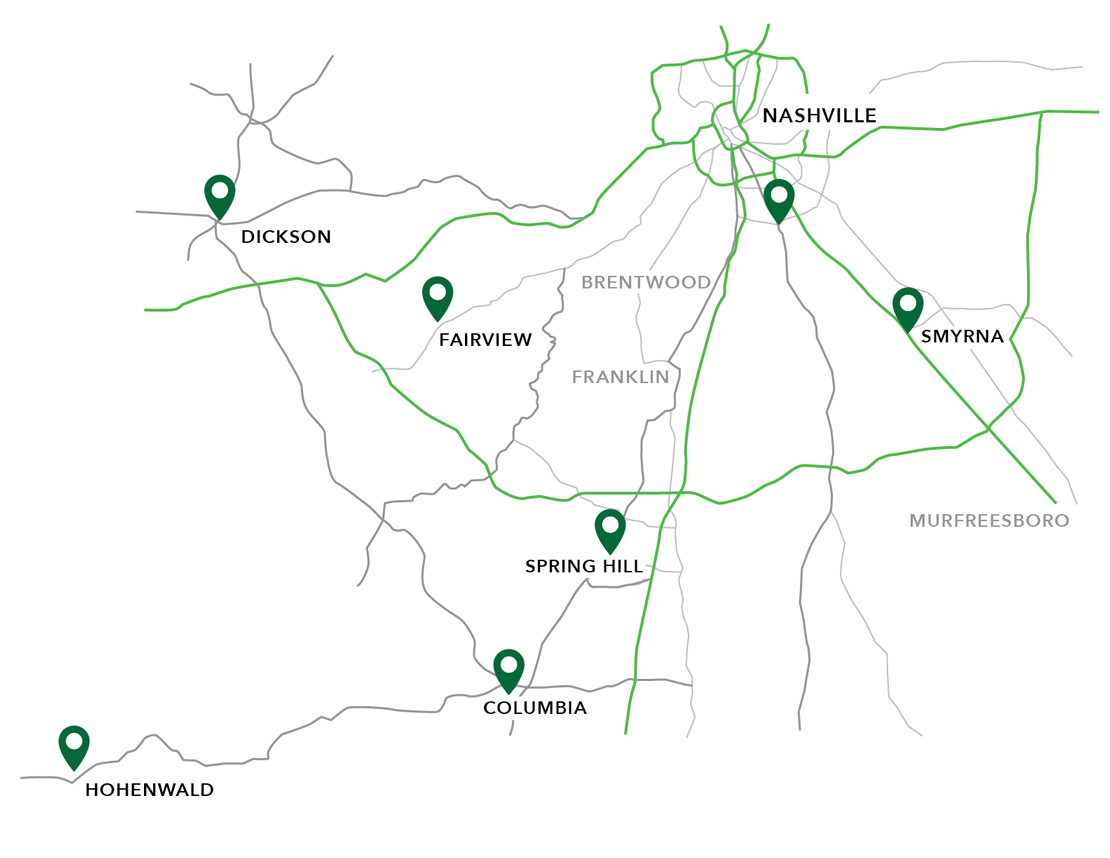
If you have any questions, please feel free to contact our offices located in Nashville, Smyrna, Spring Hill, Columbia, Dickson, Fairview, Hohenwald, TN and Midtown, TN . We offer the newest diagnostic and treatment technologies for all your foot care needs.
Read more about Walking Shoes vs. Running Shoes

Dealing With the Bony Outgrowths Known as Heel Spurs

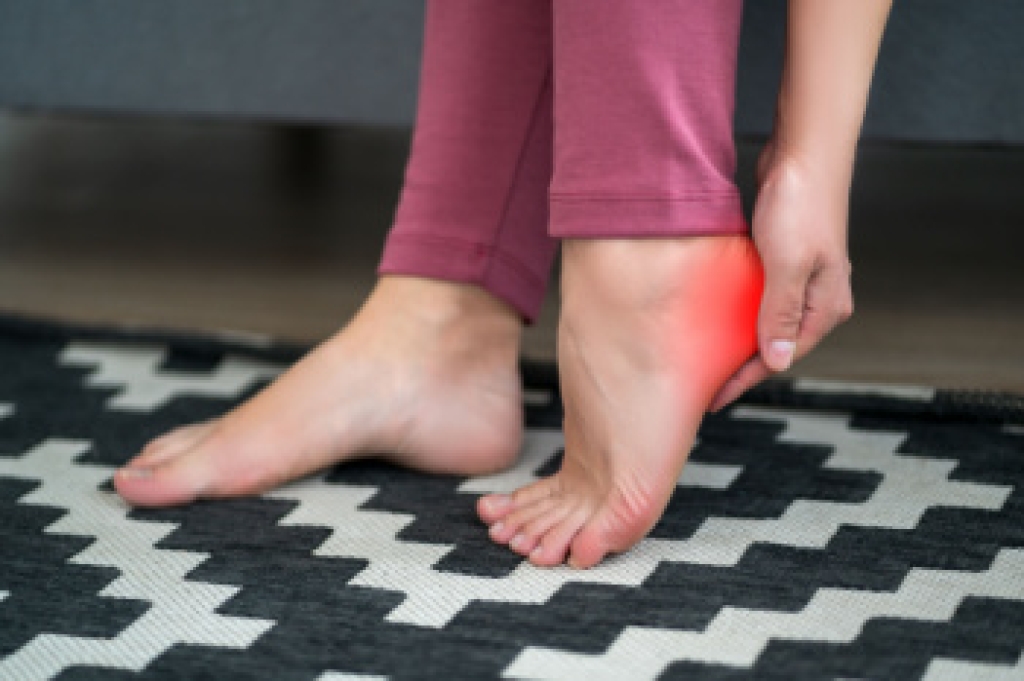
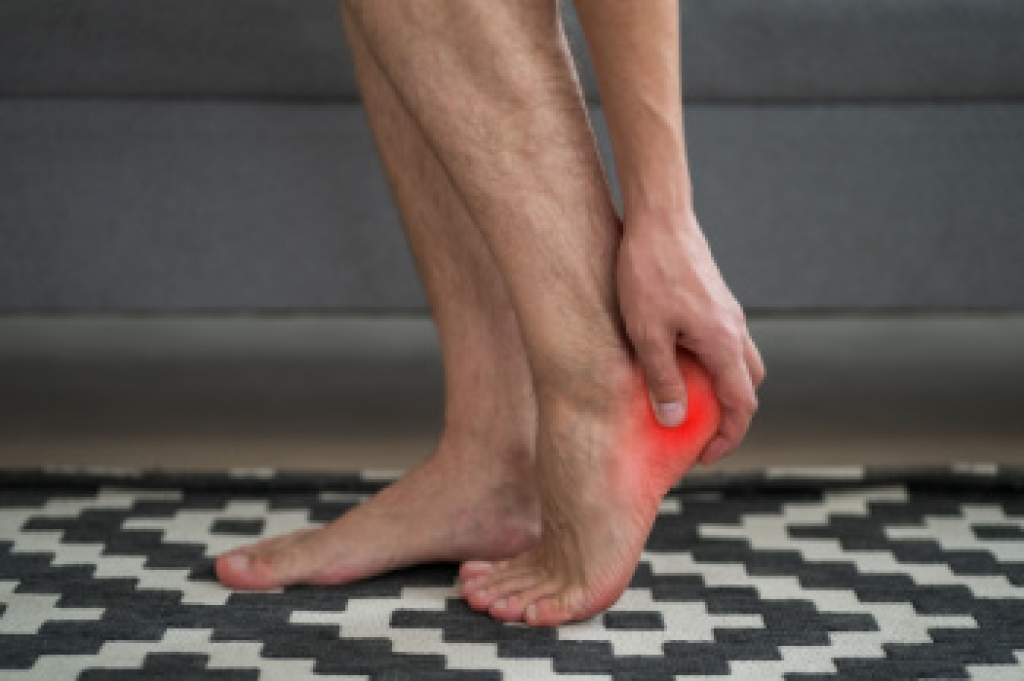
Heel spurs are bony growths that form on the underside or back of the heel bone and are often linked to ongoing strain on the foot. They may not always be visible, but sometimes cause swelling or redness around the heel. Many people feel sharp or stabbing pain with the first steps in the morning, followed by aching or soreness as the day continues. Discomfort can also occur after long periods of standing or walking. Causes include repetitive stress, plantar fascia tension, obesity, and high impact activities. A podiatrist can help from the start by evaluating symptoms, examining foot structure, and using imaging to confirm the diagnosis. Early treatment may include pain and inflammation management, stretching programs, and custom orthotics. Care can then progress into activity modification, and advanced treatments when needed to reduce strain and improve function. If you have heel pain, it is suggested that you make an appointment with a podiatrist.

Heel spurs can be incredibly painful and sometimes may make you unable to participate in physical activities. To get medical care for your heel spurs, contact one of our providers from Advanced Foot & Ankle Care Centers. Our providers will do everything possible to treat your condition.

Heels Spurs

Heel spurs are formed by calcium deposits on the back of the foot where the heel is. This can also be caused by small fragments of bone breaking off one section of the foot, attaching onto the back of the foot. Heel spurs can also be bone growth on the back of the foot and may grow in the direction of the arch of the foot.

Older individuals usually suffer from heel spurs and pain sometimes intensifies with age. One of the main condition's spurs are related to is plantar fasciitis.

Pain

The pain associated with spurs is often because of weight placed on the feet. When someone is walking, their entire weight is concentrated on the feet. Bone spurs then have the tendency to affect other bones and tissues around the foot. As the pain continues, the feet will become tender and sensitive over time.

Treatments

There are many ways to treat heel spurs. If one is suffering from heel spurs in conjunction with pain, there are several methods for healing. Medication, surgery, and herbal care are some options.

If you have any questions, please feel free to contact our offices located in Nashville, Smyrna, Spring Hill, Columbia, Dickson, Fairview, Hohenwald, TN and Midtown, TN . We offer the newest diagnostic and treatment technologies for all your foot care needs.

Read more about Heel Spurs

Cuboid Syndrome and Foot Function

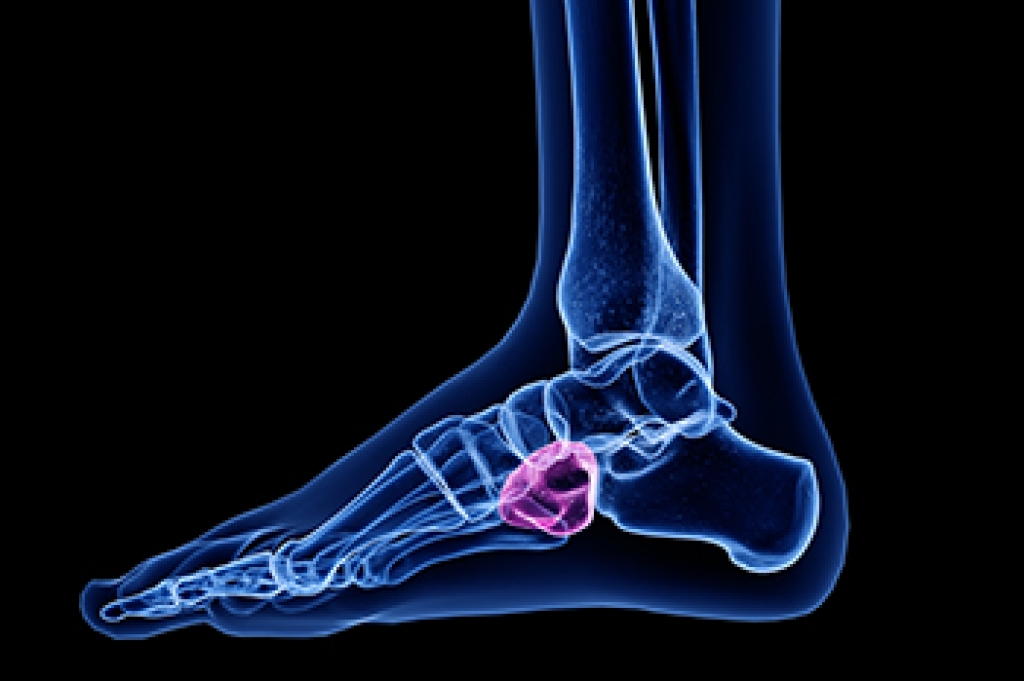
Cuboid syndrome is a condition that occurs when the cuboid bone in the mid-foot becomes partially displaced or moves improperly, leading to pain and instability along the outer side of the foot. The cuboid bone plays a vital role in foot structure by supporting the arch and assisting with proper weight distribution during walking and standing. When this bone is not functioning correctly, symptoms may include lateral foot pain, tenderness, swelling, weakness and difficulty bearing weight. Pain often worsens with activity and may feel similar to an ankle sprain. A podiatrist can accurately diagnose cuboid syndrome through a thorough examination and targeted imaging, when needed. Treatment may include manual realignment, supportive taping, custom orthotics and rehabilitation exercises to restore long-term stability. If you have pain in this part of your foot, it is suggested that you consult a podiatrist who can accurately diagnose and treat what may be going on. 

Cuboid syndrome, also known as cuboid subluxation, occurs when the joints and ligaments near the cuboid bone in the foot become torn. If you have cuboid syndrome, consult with one of our providers from Advanced Foot & Ankle Care Centers. Our providers will assess your condition and provide you with quality foot and ankle treatment.

Cuboid syndrome is a common cause of lateral foot pain, which is pain on the outside of the foot. The condition may happen suddenly due to an ankle sprain, or it may develop slowly overtime from repetitive tension through the bone and surrounding structures.

Causes

The most common causes of cuboid syndrome include:

  • Injury – The most common cause of this ailment is an ankle sprain.
  • Repetitive Strain – Tension placed through the peroneus longus muscle from repetitive activities such as jumping and running may cause excessive traction on the bone causing it to sublux.
  • Altered Foot Biomechanics – Most people suffering from cuboid subluxation have flat feet.

Symptoms

A common symptom of cuboid syndrome is pain along the outside of the foot which can be felt in the ankle and toes. This pain may create walking difficulties and may cause those with the condition to walk with a limp.

Diagnosis

Diagnosis of cuboid syndrome is often difficult, and it is often misdiagnosed. X-rays, MRIs and CT scans often fail to properly show the cuboid subluxation. Although there isn’t a specific test used to diagnose cuboid syndrome, your podiatrist will usually check if pain is felt while pressing firmly on the cuboid bone of your foot.

Treatment

Just as the range of causes varies widely, so do treatments. Some more common treatments are ice therapy, rest, exercise, taping, and orthotics.

If you have any questions, please feel free to contact our offices located in Nashville, Smyrna, Spring Hill, Columbia, Dickson, Fairview, Hohenwald, TN and Midtown, TN . We offer the newest diagnostic and treatment technologies for all your foot care needs.
Read more about Cuboid Syndrome

We Can Treat Your Foot or Ankle Pain

Foot or ankle pain can negatively affect your day-to-day life and can occur due to several different conditions. Pain can also be an indicator of a more serious underlying condition, which is why you should seek professional help as soon as you notice any abnormalities in your feet.

Common Causes of Foot Pain

Foot pain can arise from a variety of medical conditions that affect circulation, metabolism, or joint health. Vascular disease may reduce blood flow, causing cold or painful feet. Diabetes can lead to neuropathy, resulting in numbness, tingling, or slow-healing wounds. Thyroid disorders may cause swelling, stiffness, or changes in foot structure. Gout produces sudden, intense joint pain and redness, often in the big toe. Bunions create a visible bump, discomfort, and difficulty walking. Recognizing symptoms early is essential for preventing complications. A podiatrist can evaluate underlying causes, provide customized treatment plans, and offer interventions like orthotics, footwear recommendations, or specialized care to manage pain and improve mobility. If you have any type of foot problem, it is suggested that you promptly consult a podiatrist who can accurately diagnose and treat various foot and ankle conditions.

Foot Pain

Foot pain can be extremely painful and debilitating. If you have a foot pain, consult with one of our providers from Advanced Foot & Ankle Care Centers. Our providers will assess your condition and provide you with quality foot and ankle treatment.

Causes

Foot pain is a very broad condition that could be caused by one or more ailments. The most common include:

  • Bunions
  • Hammertoes
  • Plantar Fasciitis
  • Bone Spurs
  • Corns
  • Tarsal Tunnel Syndrome
  • Ingrown Toenails
  • Arthritis (such as Gout, Rheumatoid, and Osteoarthritis)
  • Flat Feet
  • Injury (from stress fractures, broken toe, foot, ankle, Achilles tendon ruptures, and sprains)
  • And more

Diagnosis

To figure out the cause of foot pain, podiatrists utilize several different methods. This can range from simple visual inspections and sensation tests to X-rays and MRI scans. Prior medical history, family medical history, and any recent physical traumatic events will all be taken into consideration for a proper diagnosis.

Treatment

Treatment depends upon the cause of the foot pain. Whether it is resting, staying off the foot, or having surgery; podiatrists have a number of treatment options available for foot pain.

If you have any questions, please feel free to contact our offices located in Nashville, Smyrna, Spring Hill, Columbia, Dickson, Fairview, Hohenwald, TN and Midtown, TN . We offer the newest diagnostic and treatment technologies for all your foot care needs.
Read more about Foot Pain

Nashville Foot &
Ankle Center

397 Wallace Road, Building C, Suite 411
Nashville, TN 37211
(615) 332-0330

Smyrna Foot &
Ankle Center

309 Quecreek Circle
Smyrna, TN 37167
(615) 220-2982

Spring Hill Foot &
Ankle Center

5073 Columbia Pike, Suite 230
Spring Hill, TN 37174
(615) 302-5400

Columbia Foot &
Ankle Center

1503 Hatcher Lane, Suite 100
Columbia, TN 38401
(931) 388-9922

Dickson Foot &
Ankle Center

111 U.S. 70 East, Suite 102
Dickson, TN 37055
(615) 229-3045

Fairview Foot &
Ankle Center

2340 Fairview Blvd., Ste. 600A
Fairview, TN 37062
(615) 229-3045

Hohenwald Foot &
Ankle Center

617 West Main Street
Hohenwald, TN 38462
(931) 388-9922

Midtown Foot &
Ankle Center

1916 Patterson Street, Suite 205
Nashville, TN 37203
(615) 332-0330
afacc locations
scroll to top