Morton's Neuroma, also called Intermetatarsal Neuroma or Plantar Neuroma, is a condition that affects the nerves of the feet, usually the area between the third and fourth toe. Neuroma refers to a benign growth that can occur in different parts of the body. Morton's Neuroma strictly affects the feet. This condition causes the tissue around the nerves that lead to the toes becoming thick, causing pain in the ball of the foot.
This condition can be caused by injury, pressure or irritation. Normally no lump will be felt, but instead burning pain in the ball of the foot will be experienced. Numbness and tingling may also occur. With the onset of this condition, a person may feel pain when tight or narrow shoes are worn. As the condition worsens, the pain may persist for days, or even weeks.
Persistent foot pain should always be a concern. The foot should be examined by a podiatrist if pain persists longer than a few days with no relief from changing shoes. The earlier the foot is examined and treated, the less chance there will be for surgical treatment.
There are some factors that can play a role in the development of Morton's Neuroma. These include wearing ill-fitting shoes that cause pressure to the toes, such as high heels. Also, high impact exercise may contribute to the cause of this condition. Morton’s Neuroma may also develop if the foot sustains an injury. Another cause includes walking abnormally due to bunions or flat feet. This causes excessive pressure and irritates the tissue. At times, people are affected for no determinable reason.
Podiatrists can alleviate the effects of this condition using a treatment plan to help decrease the pain and heal the foot tissue. Depending upon the severity of the Morton's Neuroma, the treatment plan can vary. For cases that are mild to moderate, treatments may include applying padding to the arch to relieve pressure from the nerve and reduce compression while walking. Ice packs can also help reduce swelling. The podiatrist may also create a custom orthotic device to support the foot and reduce compression and pressure on the affected nerve. The doctor will probably advise against partaking in activities that cause constant pressure on the affected area. They may provide wider shoes to ease the pressure from the toes. If these treatments do not relieve the symptoms of this condition, the doctor may use injection therapy.
Surgical treatment may be recommended by the podiatrist if all other treatments fail to provide relief. Normally, the podiatric surgeon will decide on either a surgical procedure that involves removal of the affected nerve or will choose surgery to release the nerve. After examination, the surgeon will decide on the best approach to treat the problem.
Recovery varies according to the type of surgical procedure. The patient will also be instructed on the best shoe wear to prevent the return of this condition, along with changes to workout routines, if this was a cause. Preventative measures are important in ensuring the condition does not return.
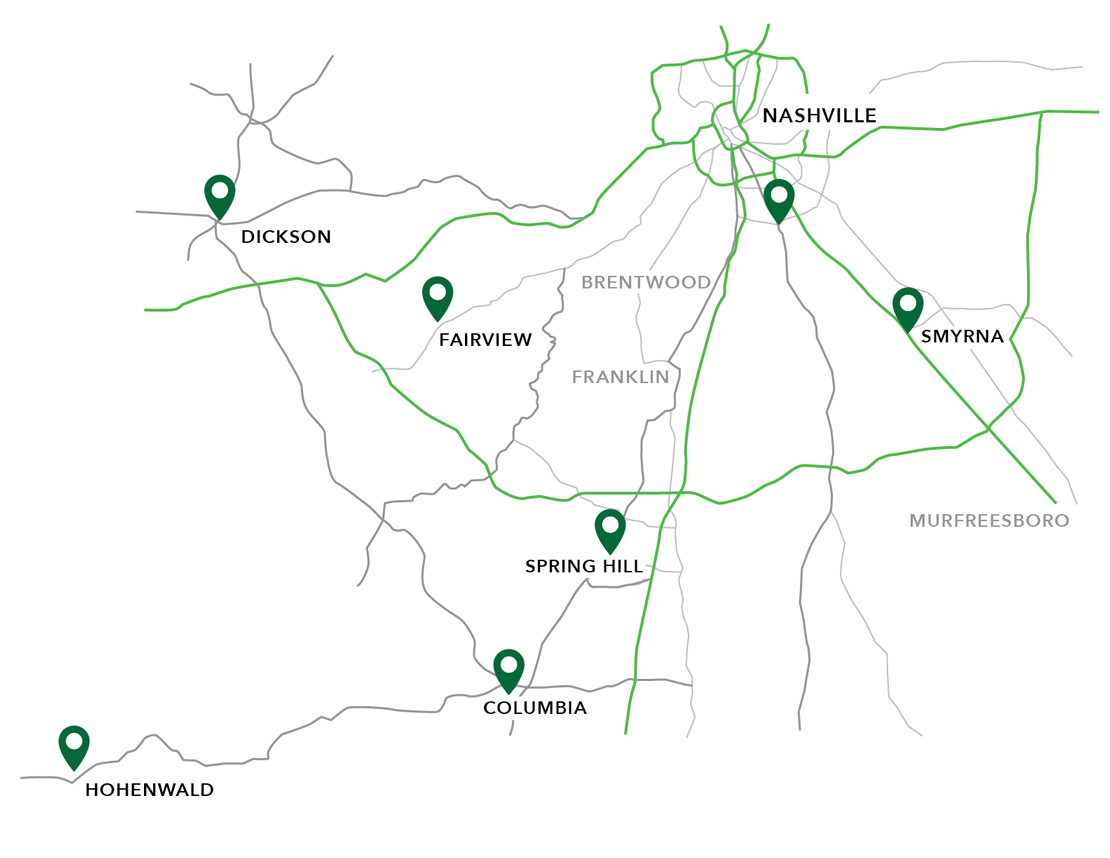
Nashville Foot &
Ankle Center
397 Wallace Road, Building C, Suite 411
Nashville, TN 37211 (615) 332-0330
Nashville, TN 37211 (615) 332-0330
Smyrna Foot &
Ankle Center
309 Quecreek Circle
Smyrna, TN 37167 (615) 220-2982
Smyrna, TN 37167 (615) 220-2982
Spring Hill Foot &
Ankle Center
5073 Columbia Pike, Suite 230
Spring Hill, TN 37174 (615) 302-5400
Spring Hill, TN 37174 (615) 302-5400
Columbia Foot &
Ankle Center
1503 Hatcher Lane, Suite 100
Columbia, TN 38401 (931) 388-9922
Columbia, TN 38401 (931) 388-9922
Dickson Foot &
Ankle Center
111 U.S. 70 East, Suite 102
Dickson, TN 37055 (615) 229-3045
Dickson, TN 37055 (615) 229-3045
Fairview Foot &
Ankle Center
2340 Fairview Blvd., Ste. 600A
Fairview, TN 37062 (615) 229-3045
Fairview, TN 37062 (615) 229-3045
Hohenwald Foot &
Ankle Center
20 S Park Street
Hohenwald, TN 38462 (931) 388-9922
Hohenwald, TN 38462 (931) 388-9922
Midtown Foot &
Ankle Center
1916 Patterson Street, Suite 205
Nashville, TN 37203 (615) 332-0330
Nashville, TN 37203 (615) 332-0330