A walking abnormality means a person does not walk with their usual pattern. This pattern is called gait. Changes in gait can develop slowly after an injury or health problem develops. Symptoms include limping, uneven steps, or dragging a foot. Foot pain can also alter walking. Arthritis may cause stiffness and discomfort that changes how pressure moves through the feet and ankles. Foot deformities, including bunions, hammertoes, and flat feet, can affect normal gait.
There are several types of gait abnormalities, and each can look different. A spastic gait may involve stiff leg movements and limited flexibility. A scissoring gait causes the legs to cross toward the middle while walking. A propulsive gait often includes a forward-leaning posture with short steps. Limping may also occur. Risk factors include arthritis, nerve problems, and poor footwear. Age-related changes may also affect balance.
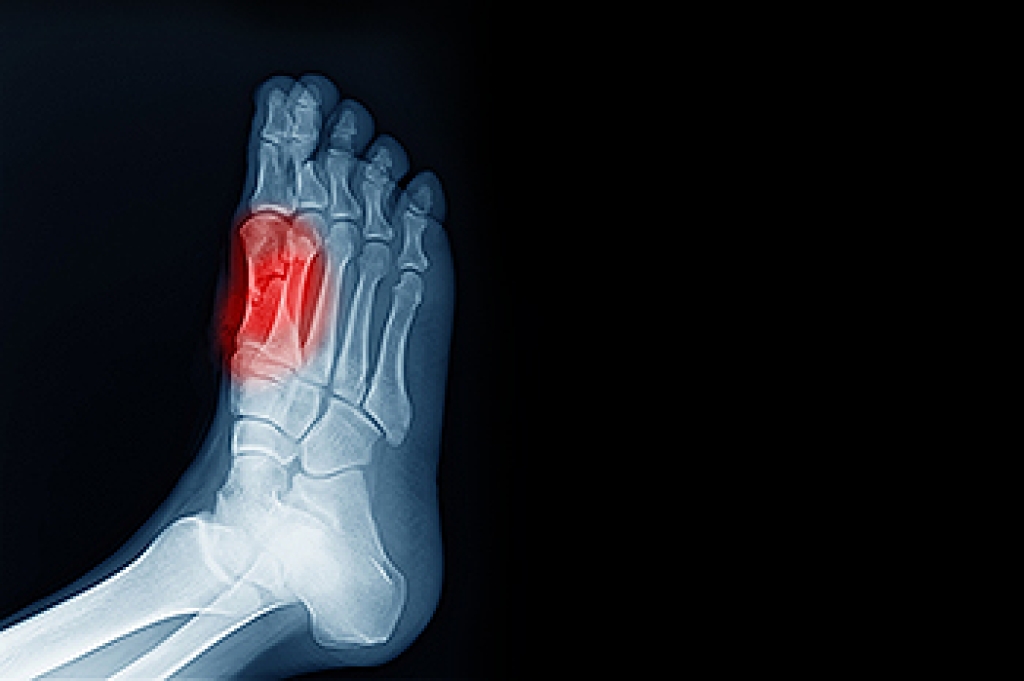
A podiatrist can assess an abnormal gait by reviewing symptoms, examining the feet and ankles, and watching how a person walks. The evaluation may include checking joint movement, muscle strength, foot structure, and tenderness. X-rays or other imaging tests may be recommended when arthritis, an injury, or a deformity needs evaluation. Treatment depends on the underlying cause. A podiatrist may recommend wearing supportive footwear or activity changes. Care may also focus on reducing pain and improving foot alignment.
Addressing a gait abnormality can help protect the feet from added stress. Early care from a podiatrist reduces the chance of developing pain in the ankles, knees, or lower back. Because an unusual walking pattern can have several causes, identifying the source is an important first step. A podiatrist can create a treatment plan based on your needs. If you have a gait abnormality and walking becomes painful, it is suggested that you consult a podiatrist for relief and management solutions.
If you have any concerns about your feet, contact one of our providers from Advanced Foot & Ankle Care Centers. Our providers can provide the care you need to keep you pain-free and on your feet.
Biomechanics in Podiatry
Podiatric biomechanics is a particular sector of specialty podiatry with licensed practitioners who are trained to diagnose and treat conditions affecting the foot, ankle and lower leg. Biomechanics deals with the forces that act against the body, causing an interference with the biological structures. It focuses on the movement of the ankle, the foot and the forces that interact with them.
A History of Biomechanics
- Biomechanics dates back to the BC era in Egypt where evidence of professional foot care has been recorded.
- In 1974, biomechanics gained a higher profile from the studies of Merton Root, who claimed that by changing or controlling the forces between the ankle and the foot, corrections or conditions could be implemented to gain strength and coordination in the area.
Modern technological improvements are based on past theories and therapeutic processes that provide a better understanding of podiatric concepts for biomechanics. Computers can provide accurate information about the forces and patterns of the feet and lower legs.
Understanding biomechanics of the feet can help improve and eliminate pain, stopping further stress to the foot.
If you have any questions please feel free to contact our offices located in Nashville, Smyrna, Spring Hill, Columbia, Dickson, Fairview, Hohenwald, TN and Midtown, TN . We offer the newest diagnostic and treatment technologies for all your foot and ankle needs.