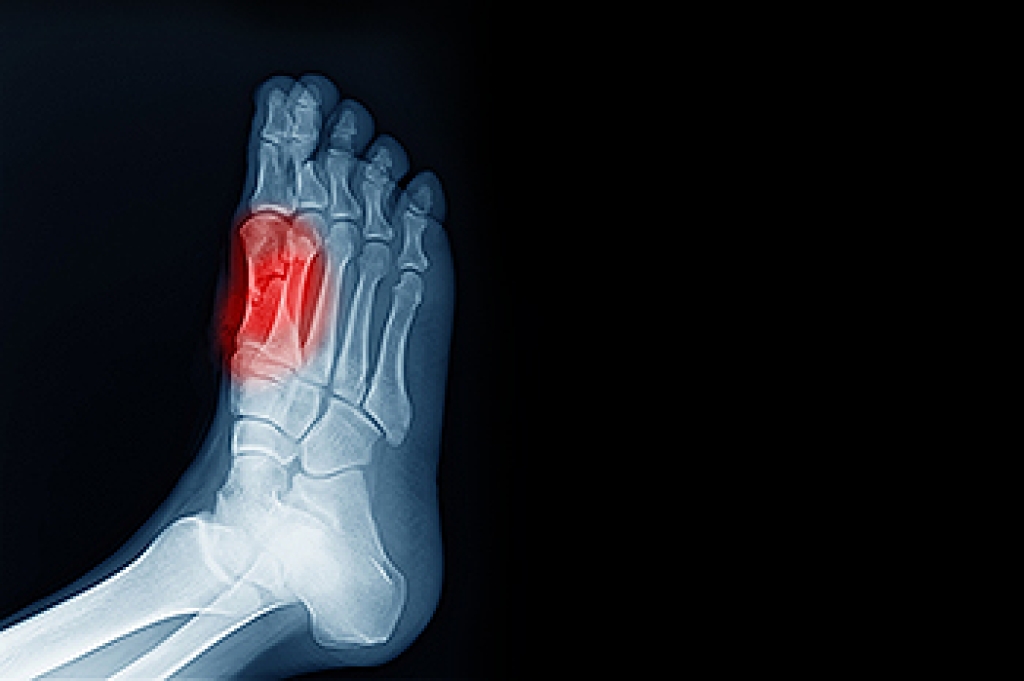
Why Ankle Fusion Surgery Is Performed and What to Expect

Ankle arthrodesis, also known as ankle fusion surgery, is a procedure designed to treat chronic ankle pain by permanently joining the bones of the joint. This approach is often used when cartilage damage has led to bone on bone contact, causing inflammation and limited mobility. By eliminating joint movement, the surgery reduces pain and provides a stable foundation for standing and walking. It is widely recognized as an effective treatment for advanced ankle joint disease.

During the procedure, the podiatric surgeon carefully removes the remaining cartilage and prepares the bone surfaces for fusion. The bones are then aligned in a functional position and secured with surgical hardware, such as screws or plates. In some cases, bone graft material may be used to support healing and improve fusion success. The healing process requires time, and patients typically follow a structured recovery plan that includes immobilization and a gradual return to activity.


This type of foot surgery is recommended for certain conditions, such as severe arthritis, deformity, and long term joint instability. It is also used for patients who have experienced traumatic injuries or progressive degeneration of the ankle joint. Risk factors that may lead to the need for this procedure include repeated ankle injuries, improper alignment, and chronic inflammation. When non-surgical treatments no longer provide relief, ankle arthrodesis becomes a dependable solution.


Patients who undergo ankle arthrodesis can expect improved stability and reduced pain, although some stiffness is normal due to the loss of joint motion. Many individuals return to daily activities with greater confidence and less discomfort. Long-term success depends on proper healing and supportive care. If you have severe ankle pain and are exploring this type of foot surgery, it is suggested that you seek care from a podiatrist who can determine if this type of surgery is right for you.

Foot surgery is sometimes necessary to treat a foot ailment. To learn more, contact one of our providers of Advanced Foot & Ankle Care Centers. Our providers will assist you with all of your foot and ankle needs.

When Is Surgery Necessary?

Foot and ankle surgery is generally reserved for cases in which less invasive, conservative procedures have failed to alleviate the problem. Some of the cases in which surgery may be necessary include:

  • Removing foot deformities like bunions and bone spurs
  • Severe arthritis that has caused bone issues
  • Cosmetic reconstruction

What Types of Surgery Are There?

The type of surgery you receive will depend on the nature of the problem you have. Some of the possible surgeries include:

  • Bunionectomy for painful bunions
  • Surgical fusion for realignment of bones
  • Neuropathy decompression surgery to treat nerve damage

Benefits of Surgery

Although surgery is usually a last resort, it can provide more complete pain relief compared to non-surgical methods and may allow you to finally resume full activity.

Surgical techniques have also become increasingly sophisticated. Techniques like endoscopic surgery allow for smaller incisions and faster recovery times.

If you have any questions, please feel free to contact our offices located in Nashville, Smyrna, Spring Hill, Columbia, Dickson, Fairview, Hohenwald, TN and Midtown, TN . We offer the newest diagnostic and treatment technologies for all your foot care needs.

Read more about Foot Surgery

Various Causes of Heel Pain

Heel pain, one of the most common foot complaints treated in podiatry, can affect people of all ages and activity levels. It refers to discomfort at the bottom or back of the heel, and may develop gradually or suddenly, depending on the cause. The heel bone, also known as the calcaneus, absorbs significant pressure when walking and standing, which makes it vulnerable to overuse injuries and inflammation. Heel pain can range from a dull ache to sharp stabbing sensations that make walking difficult, especially in the morning or after long periods of rest. 

Several conditions can lead to heel pain, including plantar fasciitis, heel spurs, and bursitis. Plantar fasciitis is inflammation of the plantar fascia, a thick band of tissue that runs along the bottom of the foot and connects the heel to the toes. It often causes sharp heel pain that is worse with the first steps in the morning. A heel spur is a calcium deposit that forms on the heel bone and is often associated with chronic plantar fasciitis. While not always painful on its own, it can contribute to irritation of surrounding tissues. Heel bursitis occurs when the bursae, small fluid-filled sacs that cushion the heel, become inflamed due to repetitive stress or pressure.


Risk factors for heel pain include obesity, prolonged standing, and high-impact activities. Other factors are improper footwear and structural foot issues like flat feet or high arches. Symptoms may include swelling, tenderness, stiffness, and pain that worsens with activity. Some individuals may also notice changes in their walking pattern as they attempt to reduce discomfort. Untreated heel pain can lead to reduced mobility and increased strain on other parts of the foot, ankle, and lower leg.


A podiatrist can diagnose heel pain through a physical examination, gait analysis, and imaging, if necessary. Treatment options include anti-inflammatory measures, custom orthotics, and footwear modifications. In some cases, advanced therapies to reduce inflammation and promote healing may be recommended. Addressing the root cause rather than just the symptoms is key to long-term improvement. If you have heel pain, it is strongly suggested that you consult a podiatrist for an accurate diagnosis and appropriate treatment to relieve discomfort and restore mobility.

Many people suffer from bouts of heel pain. For more information, contact one of our providers of Advanced Foot & Ankle Care Centers. Our providers can provide the care you need to keep you pain-free and on your feet.

Causes of Heel Pain

Heel pain is often associated with plantar fasciitis. The plantar fascia is a band of tissues that extends along the bottom of the foot. A rip or tear in this ligament can cause inflammation of the tissue.

Achilles tendonitis is another cause of heel pain. Inflammation of the Achilles tendon will cause pain from fractures and muscle tearing. Lack of flexibility is also another symptom.

Heel spurs are another cause of pain. When the tissues of the plantar fascia undergo a great deal of stress, it can lead to ligament separation from the heel bone, causing heel spurs.

Why Might Heel Pain Occur?

  • Wearing ill-fitting shoes                
  • Wearing non-supportive shoes
  • Weight change           
  • Excessive running

Treatments

Heel pain should be treated as soon as possible for immediate results. Keeping your feet in a stress-free environment will help. If you suffer from Achilles tendonitis or plantar fasciitis, applying ice will reduce the swelling. Stretching before an exercise like running will help the muscles. Using all these tips will help make heel pain a condition of the past.

If you have any questions, please feel free to contact our offices located in Nashville, Smyrna, Spring Hill, Columbia, Dickson, Fairview, Hohenwald, TN and Midtown, TN . We offer the newest diagnostic and treatment technologies for all your foot care needs.

Read more about Heel Pain

Working on Your Feet and Protecting Foot Health

Many jobs require standing or walking for long hours each day. Healthcare workers, retail employees, and restaurant staff often spend most of their shift on their feet. This repeated stress can place extra pressure on the muscles, joints, and soft tissues of the feet. As a result, foot pain may develop gradually and begin to interfere with work and everyday activities. Common symptoms include aching, swelling, and heel pain that becomes worse after long periods of standing. Ignoring these warning signs may allow the problem to worsen and make daily movement more difficult. Early evaluation is important because foot pain is often easier to manage before it becomes a long-term problem.


A podiatrist can determine the cause of your discomfort with a thorough examination of your feet and the way you walk. Long hours on your feet may contribute to plantar fasciitis, tendon irritation, or joint pain. Once the cause is identified, a personalized treatment plan can be developed to improve comfort and reduce stress on the feet. Treatment may include custom orthotics, supportive footwear recommendations, or certain medical therapies based on your specific needs. Professional care also helps monitor your progress and reduce the risk of ongoing foot problems that could affect your ability to work.


Professional foot pain treatment, podiatry care, and custom orthotics can help support healthy movement and improve comfort during long workdays. Addressing symptoms early may also help prevent more serious foot conditions from developing. A podiatrist focuses on treating the underlying cause of pain so you can stay active with greater confidence. If standing for long hours is causing foot pain or swelling, it is suggested that you consult a podiatrist for an evaluation and appropriate treatment options.

While working on the feet, it is important to take the proper care of them. For more information about working on your feet, contact one of our providers from Advanced Foot & Ankle Care Centers. Our providers will treat your foot and ankle needs.

Working on Your Feet

Standing on your feet for long periods of time can cause stress and pain in your feet. Your whole body may experience change in terms of posture, back pain, bunions, callouses and or plantar warts. There are ways to avoid these conditions with proper foot care, smart choices and correct posture.

Positive Changes

Negative heeled shoe – Choosing this shoe type places the heel slightly lower than the ball of the foot. These are great for overall foot health. Find shoes that fit you correctly.

Go barefoot – Our feet were not designed to be enclosed for all hours of the day. Try to periodically expose your feet to air.

Eliminate Pain

Foot Exercises – Performing simple exercises, incorporating yoga and doing stretches are beneficial. This will allow increased blood flow to the area and muscles of the foot.

Achilles tendon – Stretching the foot out flat on the floor will relax the calf muscles and tendon. These exercises can be performed almost anywhere. Make sure you add these exercises to your daily regimen. 

With a little bit of this information and knowing more about foot health, you will notice changes. Foot stretches and proper footwear will help with pain and prevent further issues.

If you have any questions please contact our offices located in Nashville, Smyrna, Spring Hill, Columbia, Dickson, Fairview, Hohenwald, TN and Midtown, TN . We offer the newest diagnostic and treatment technologies for all your foot and ankle needs.


Read more about How to Handle a Long Work Day on Your Feet

Are You Suffering From Nerve Damage?

Neuropathy is a condition that can lead to numbness or loss of sensation in the feet, but it can also cause pain. This condition is more likely to develop for those who are diabetic, obese, or with high blood pressure.

Podiatry Care for Blisters

Blisters are fluid-filled pockets that form on the skin, often as a result of friction, pressure, or irritation. On the feet, blisters commonly develop on the toes, heels, soles, or sides of the foot. They may be caused by rubbing from footwear, long periods of walking or standing, burns, allergic reactions, infections, or certain skin conditions. Foot blisters can be painful because the feet support body weight throughout the day. Symptoms may include tenderness, redness, swelling, and a raised area filled with clear fluid or blood. While many blisters heal without complications, they can make everyday activities uncomfortable and may affect mobility.

Although blisters are common, they should not always be dismissed as a minor problem. A blister that becomes increasingly painful, drains fluid, or develops surrounding redness may indicate a more serious issue. People with diabetes, poor circulation, or a weakened immune system face a greater risk of complications from foot blisters. In these individuals, even a small skin injury can lead to infection or delayed healing. Recurring blisters may also signal an underlying problem, such as abnormal foot mechanics, improper footwear, or a skin disorder. Because blisters on the feet can develop for many reasons, obtaining an accurate diagnosis is important before treatment begins.

A podiatrist is a foot and ankle specialist who can evaluate foot blisters and determine their underlying cause. During an examination, the podiatrist may assess the skin, review symptoms, and look for signs of infection, excessive pressure, or structural foot problems. Treatment may include wound management, infection treatment, footwear recommendations, or pressure-relieving solutions designed to reduce irritation. For patients with recurring blisters, a podiatrist can identify contributing factors and recommend appropriate care to help prevent future problems. Professional podiatry care can help relieve discomfort, protect the skin, and reduce the risk of complications. If you have painful foot blisters, signs of infection, recurring symptoms, or difficulty walking, it is suggested that you consult a podiatrist for an evaluation and appropriate treatment options.

Blisters are prone to making everyday activities extremely uncomfortable. If your feet are hurting, contact one of our providers of Advanced Foot & Ankle Care Centers. Our providers can provide the care you need to keep you pain-free and on your feet.

Foot Blisters

Foot blisters develop as a result of constantly wearing tight or ill-fitting footwear. This happens due to the constant rubbing from the shoe, which can often lead to pain.

What Are Foot Blisters?

A foot blister is a small fluid-filled pocket that forms on the upper-most layer of the skin. Blisters are filled with clear fluid and can lead to blood drainage or pus if the area becomes infected.

How Do Blisters Form?

Blisters on the feet are often the result of constant friction of skin and material, usually by shoe rubbing. Walking in sandals, boots, or shoes that don’t fit properly for long periods of time can result in a blister. Having consistent foot moisture and humidity can easily lead to blister formation.

Prevention & Treatment

It is important to properly care for the affected area in order to prevent infection and ease the pain. Do not lance the blister and use a Band-Aid to provide pain relief. Also, be sure to keep your feet dry and wear proper fitting shoes. If you see blood or pus in a blister, seek assistance from a podiatrist.

If you have any questions, please feel free to contact our offices located in Nashville, Smyrna, Spring Hill, Columbia, Dickson, Fairview, Hohenwald, TN and Midtown, TN . We offer the newest diagnostic and treatment technologies for all your foot care needs.

Read more about Blisters

Nashville Foot &
Ankle Center

397 Wallace Road, Building C, Suite 411
Nashville, TN 37211
(615) 332-0330

Smyrna Foot &
Ankle Center

309 Quecreek Circle
Smyrna, TN 37167
(615) 220-2982

Spring Hill Foot &
Ankle Center

5073 Columbia Pike, Suite 230
Spring Hill, TN 37174
(615) 302-5400

Columbia Foot &
Ankle Center

1503 Hatcher Lane, Suite 100
Columbia, TN 38401
(931) 388-9922

Dickson Foot &
Ankle Center

111 U.S. 70 East, Suite 102
Dickson, TN 37055
(615) 229-3045

Fairview Foot &
Ankle Center

2340 Fairview Blvd., Ste. 600A
Fairview, TN 37062
(615) 229-3045

Hohenwald Foot &
Ankle Center

20 S Park Street
Hohenwald, TN 38462
(931) 388-9922

Midtown Foot &
Ankle Center

1916 Patterson Street, Suite 205
Nashville, TN 37203
(615) 332-0330
afacc locations
Advanced Podiatric Procedures & Services in the Middle (Central) Tennessee area