What Causes a Broken Toe?

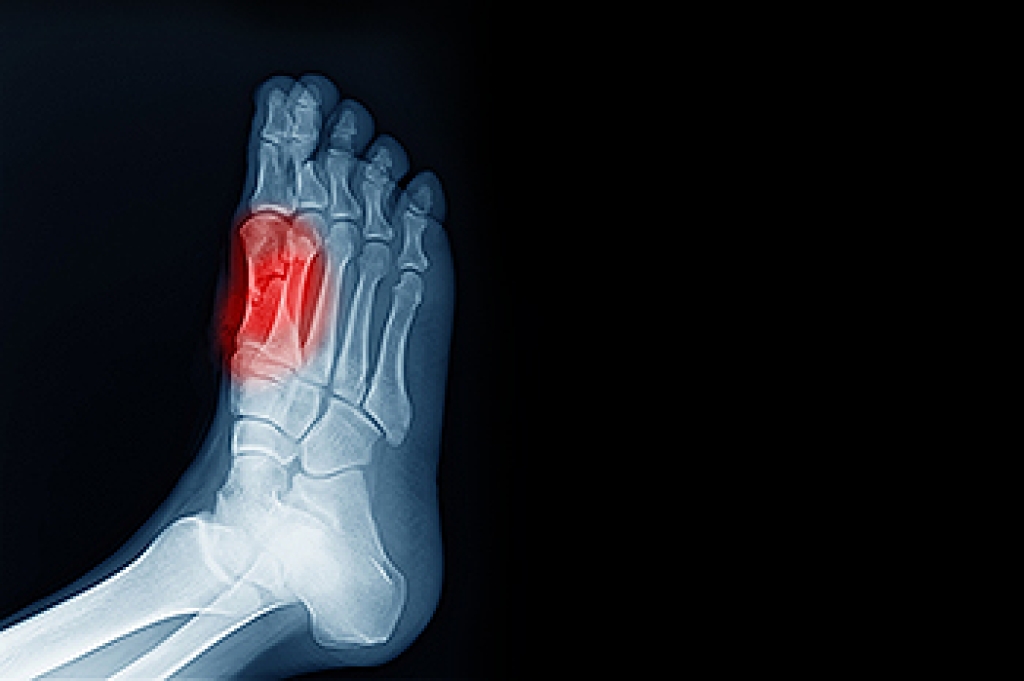
A broken toe is a common foot injury that occurs when one of the small bones in the toe becomes fractured due to excessive force or trauma. Although toes are small, they play an important role in balance and movement, making even a minor fracture disruptive to daily activities. This condition can affect anyone and is often underestimated, leading individuals to delay proper care. Understanding the causes and early signs is important for effective treatment and recovery.

The most common causes of a broken toe involve direct impact or sudden force. Dropping a heavy object such as furniture, tools, or equipment onto the foot can create enough pressure to fracture the bone. Forcefully stubbing the toe against a hard surface is another leading cause, especially when the impact is unexpected. Sports-related injuries, especially those involving quick stops or collisions, can also result in toe fractures. Individuals who walk barefoot or wear thin, poorly fitting shoes may have less protection and face a higher risk of injury.

Symptoms of a broken toe usually develop immediately after the injury. Sharp pain, swelling, and bruising are common, along with tenderness when touching the area. The toe may appear stiff, and in more severe cases, it can look misaligned or deformed. Walking may become painful, and placing weight on the foot can be difficult. Without proper care, a fractured toe may heal incorrectly, leading to long-term discomfort or joint problems.

Risk factors include participation in high-impact activities, inadequate footwear, and reduced bone strength. Older adults and individuals with underlying bone conditions may be more susceptible to fractures. Early evaluation and appropriate treatment can support proper healing and reduce complications. If you have toe pain or suspect a fracture, it is suggested that you consult a podiatrist for effective relief and treatment solutions.

A broken toe can be very painful and lead to complications if not properly fixed. If you have any concerns about your feet, contact one of our providers from Advanced Foot & Ankle Care Centers. Our providers will treat your foot and ankle needs.

What to Know About a Broken Toe

Although most people try to avoid foot trauma such as banging, stubbing, or dropping heavy objects on their feet, the unfortunate fact is that it is a common occurrence. Given the fact that toes are positioned in front of the feet, they typically sustain the brunt of such trauma. When trauma occurs to a toe, the result can be a painful break (fracture).

Symptoms of a Broken Toe

  • Throbbing pain
  • Swelling
  • Bruising on the skin and toenail
  • The inability to move the toe
  • Toe appears crooked or disfigured
  • Tingling or numbness in the toe

Generally, it is best to stay off of the injured toe with the affected foot elevated.

Severe toe fractures may be treated with a splint, cast, and in some cases, minor surgery. Due to its position and the pressure it endures with daily activity, future complications can occur if the big toe is not properly treated.

If you have any questions, please feel free to contact our offices located in Nashville, Smyrna, Spring Hill, Columbia, Dickson, Fairview, Hohenwald, TN and Midtown, TN . We offer the newest diagnostic and treatment technologies for all your foot care needs.

Read more about What to Know About a Broken Toe

Exercises That Help Ease Plantar Fasciitis Pain

Plantar fasciitis causes pain when the thick band of tissue along the bottom of the foot becomes irritated. This band, called the plantar fascia, supports the arch and helps the foot handle pressure. Pain is usually strongest near the heel and can feel sharp with the first steps after rest. Gentle foot exercises can loosen tight tissue, improve flexibility, and strengthen muscles that support the feet. Exercise should not cause increasing pain. Patients should stop an exercise that worsens symptoms and ask a podiatrist for guidance.

Several gentle stretches can improve flexibility in the plantar fascia and nearby muscles. Seated stretches that draw the toes toward the shin help loosen the tissue along the sole. Standing stretches can target the bottom of the foot while keeping the heel firmly on the floor. Calf stretches also reduce tightness that can place added strain on the plantar fascia. Each movement should be slow and controlled, without bouncing or forcing the foot into an uncomfortable position. A podiatrist can recommend suitable stretches and explain how frequently they should be performed.

Strengthening exercises help the foot manage stress more effectively. For heel raises, stand near a stable surface and slowly rise onto the toes. Pause, then lower the heels in a controlled motion. Start with a few repetitions and increase them gradually as comfort allows. A podiatrist can examine foot structure, walking patterns, and the location of pain. The podiatrist can also determine whether the exercises are appropriate and show the patient how to perform them safely. Treatment can include custom orthotics, supportive taping, or recommendations for shoes that provide proper support. These measures can reduce pressure on the plantar fascia while exercise improves strength and movement. If you have symptoms of plantar fasciitis, it is suggested that you schedule an appointment with a podiatrist for a diagnosis and appropriate treatment.

Exercising your feet regularly with the proper foot wear is a great way to prevent injuries and build strength. If you have any concerns about your feet, contact one of our providers from Advanced Foot & Ankle Care Centers. Our providers can provide the care you need to keep you pain-free and on your feet.

Exercise for Your Feet

Exercise for your feet can help you gain strength, mobility and flexibility in your feet. They say that strengthening your feet can be just as rewarding as strengthening another part of the body. Your feet are very important, and we often forget about them in our daily tasks. But it is because of our feet that are we able to get going and do what we need to. For those of us fortunate enough to not have any foot problems, it is an important gesture to take care of them to ensure good health in the long run.

Some foot health exercises can include ankle pumps, tip-toeing, toe rises, lifting off the floor doing reps and sets, and flexing the toes. It is best to speak with Our providers to determine an appropriate regimen for your needs. Everyone’s needs and bodies are different, and the activities required to maintain strength in the feet vary from individual to individual. 

Once you get into a routine of doing regular exercise, you may notice a difference in your feet and how strong they may become.

If you have any questions, please feel free to contact our offices located in Nashville, Smyrna, Spring Hill, Columbia, Dickson, Fairview, Hohenwald, TN and Midtown, TN . We offer the newest diagnostic and treatment technologies for all your foot care needs.

Read more about Exercise for Your Feet

Understanding Foot Pain and How the Feet Move

Foot pain can affect the way a person stands, walks, and completes daily activities. Pain can occur in different areas, including the toes, forefoot, and back part of the foot. Foot structure and the way the foot moves can also play a role in discomfort. A low-arched foot, sometimes called a flat foot, has a lower inner arch when bearing weight. Another pattern involves the foot rolling inward more than expected while walking. Research involving more than 3,000 people found associations between certain foot structures and foot pain. The findings showed that low-arched foot posture was associated with arch pain in men, while inward-rolling foot function was associated with general foot pain and heel pain in men. These findings show that foot shape and movement can be important factors when evaluating foot discomfort.

A podiatrist can evaluate foot structure, movement, and areas of pain to help determine factors that contribute to symptoms. The examination can consider how the feet function while standing and walking. It can also assess whether changes in foot movement place added stress on certain areas. Podiatric care can include gait evaluation, assessment of foot alignment, and treatment designed to support normal foot function. Care can be tailored to the location and cause of the pain. Wearing footwear that provides proper support can also be considered when foot structure or movement contributes to discomfort. In some cases, supportive devices may be used to help modify foot function. The goal is to reduce stress on painful areas and support comfortable movement during daily activities.

Foot pain can have many contributing factors, so the shape of the foot alone does not explain every case. Age, weight, and other foot conditions can also influence symptoms. Pain that continues or affects normal movement deserves evaluation. A podiatrist can identify changes in foot structure and function and develop care based on the specific symptoms. Understanding how the foot moves can also help guide treatment and support better function. Research suggests that modifying abnormal foot posture or movement can have a role in managing foot pain. If you have foot pain, it is suggested that you schedule an appointment with a podiatrist for a diagnosis and appropriate treatment.

Foot Pain

Foot pain can be extremely painful and debilitating. If you have a foot pain, consult with one of our providers from Advanced Foot & Ankle Care Centers. Our providers will assess your condition and provide you with quality foot and ankle treatment.

Causes

Foot pain is a very broad condition that could be caused by one or more ailments. The most common include:

  • Bunions
  • Hammertoes
  • Plantar Fasciitis
  • Bone Spurs
  • Corns
  • Tarsal Tunnel Syndrome
  • Ingrown Toenails
  • Arthritis (such as Gout, Rheumatoid, and Osteoarthritis)
  • Flat Feet
  • Injury (from stress fractures, broken toe, foot, ankle, Achilles tendon ruptures, and sprains)
  • And more

Diagnosis

To figure out the cause of foot pain, podiatrists utilize several different methods. This can range from simple visual inspections and sensation tests to X-rays and MRI scans. Prior medical history, family medical history, and any recent physical traumatic events will all be taken into consideration for a proper diagnosis.

Treatment

Treatment depends upon the cause of the foot pain. Whether it is resting, staying off the foot, or having surgery; podiatrists have a number of treatment options available for foot pain.

If you have any questions, please feel free to contact our offices located in Nashville, Smyrna, Spring Hill, Columbia, Dickson, Fairview, Hohenwald, TN and Midtown, TN . We offer the newest diagnostic and treatment technologies for all your foot care needs.

Read more about Foot Pain

What Causes an Ingrown Toenail?

An ingrown toenail occurs when the edge of the toenail grows into the surrounding skin. This usually affects the big toe but can occur on any toe. As the nail presses into the skin, it can cause irritation, inflammation, and discomfort. Without proper care, an ingrown toenail may become more painful and increase the risk of infection. Understanding the causes and symptoms can help with early treatment and prevention.

Symptoms of an ingrown toenail include redness, swelling, and pain along the side of the nail. The affected area may feel sore when pressure is applied, especially when wearing shoes. In more advanced cases, the skin around the nail may become warm, irritated, or produce drainage if an infection develops. Some individuals may notice increased sensitivity while walking or standing. Recognizing these warning signs early can help prevent the condition from becoming more severe.


Several causes can contribute to the development of ingrown toenails. Wearing ill-fitting shoes that place pressure on the toes can force the nail into the surrounding skin. Improper nail trimming is another common cause, especially when toenails are cut too short or rounded at the edges. Other contributing factors include toe injuries, naturally curved toenails, and repeated pressure from activities that stress the feet. These factors can change how the nail grows and increase irritation.


Risk factors for ingrown toenails include wearing tight footwear, participating in activities that involve repeated pressure on the toes, and having a family history of curved toenails. Individuals with diabetes or circulation concerns may face a higher risk of complications if an ingrown toenail becomes infected. Proper nail care, comfortable shoes, and regular foot checks can help reduce the chance of developing this condition. If you have signs of an ingrown toenail, it is suggested that you consult a podiatrist for effective relief and treatment solutions, which may include minor surgery.

Ingrown toenails may initially present themselves as a minor discomfort, but they may progress into an infection in the skin without proper treatment. For more information about ingrown toenails, contact one of our providers of Advanced Foot & Ankle Care Centers. Our providers can provide the care you need to keep you pain-free and on your feet.

Ingrown Toenails

Ingrown toenails are caused when the corner or side of a toenail grows into the soft flesh surrounding it. They often result in redness, swelling, pain, and in some cases, infection. This condition typically affects the big toe and may recur if it is not treated properly.

Causes

  • Improper toenail trimming
  • Genetics
  • Improper shoe fitting
  • Injury from pedicures or nail picking
  • Abnormal gait
  • Poor hygiene

You are more likely to develop an ingrown toenail if you are obese, have diabetes, arthritis, or have any fungal infection in your nails. Additionally, people who have foot or toe deformities are at a higher risk of developing an ingrown toenail.

Symptoms

Some symptoms of ingrown toenails are redness, swelling, and pain. In rare cases, there may be a yellowish drainage coming from the nail.

Treatment

Ignoring an ingrown toenail can have serious complications. Infections of the nail border can progress to a deeper soft-tissue infection, which can then turn into a bone infection. You should always speak with your podiatrist if you suspect you have an ingrown toenail, especially if you have diabetes or poor circulation.

If you have any questions, please feel free to contact our offices located in Nashville, Smyrna, Spring Hill, Columbia, Dickson, Fairview, Hohenwald, TN and Midtown, TN . We offer the newest diagnostic and treatment technologies for all your foot care needs.

Read more about Ingrown Toenails

Do You Suffer From Painful Feet?

Painful deformities, such as hammertoes, can be treated. Stop living with foot pain, and have beautiful feet again!

Nashville Foot &
Ankle Center

397 Wallace Road, Building C, Suite 411
Nashville, TN 37211
(615) 332-0330

Smyrna Foot &
Ankle Center

309 Quecreek Circle
Smyrna, TN 37167
(615) 220-2982

Spring Hill Foot &
Ankle Center

5073 Columbia Pike, Suite 230
Spring Hill, TN 37174
(615) 302-5400

Columbia Foot &
Ankle Center

1503 Hatcher Lane, Suite 100
Columbia, TN 38401
(931) 388-9922

Dickson Foot &
Ankle Center

111 U.S. 70 East, Suite 102
Dickson, TN 37055
(615) 229-3045

Fairview Foot &
Ankle Center

2340 Fairview Blvd., Ste. 600A
Fairview, TN 37062
(615) 229-3045

Hohenwald Foot &
Ankle Center

20 S Park Street
Hohenwald, TN 38462
(931) 388-9922

Midtown Foot &
Ankle Center

1916 Patterson Street, Suite 205
Nashville, TN 37203
(615) 332-0330
afacc locations
Advanced Podiatric Procedures & Services in the Middle (Central) Tennessee area