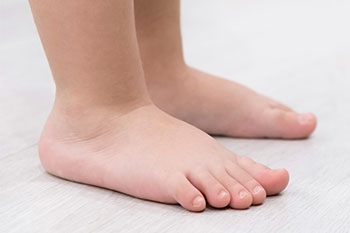
Overpronation is a common biomechanical condition in which the foot rolls excessively inward during walking or running. In podiatry, this movement pattern is closely evaluated because it can affect alignment, stability, and overall foot function. While some degree of pronation is normal and helps absorb shock, overpronation places added stress on the muscles, ligaments, and joints of the foot and lower extremity. This imbalance can lead to inefficient gait mechanics and contribute to chronic discomfort.
Patients with overpronation often experience symptoms such as arch pain, heel pain, ankle instability, and fatigue in the feet after activity. It is frequently associated with conditions like plantar fasciitis, Achilles tendonitis, shin splints, and even knee or lower back pain. Risk factors include flat feet, wearing improper footwear, obesity, prolonged standing, and high impact activities. Over time, untreated overpronation may lead to progressive structural changes and increased risk of injury.
A podiatrist plays an important role in diagnosing and managing overpronation through a comprehensive biomechanical evaluation. This may include gait analysis, foot structure assessment, and pressure mapping. Treatment options are tailored to the individual, and often include custom orthotics, supportive footwear recommendations, stretching programs, and activity modifications to improve alignment and reduce strain.
Early intervention is key to preventing long term complications and improving comfort with daily movement. Please call our office if you are experiencing foot pain, instability, or signs of abnormal wear on your shoes for a thorough evaluation and personalized treatment plan designed to restore proper foot function.